The Netflix Mistake.
11/17/20251 min read
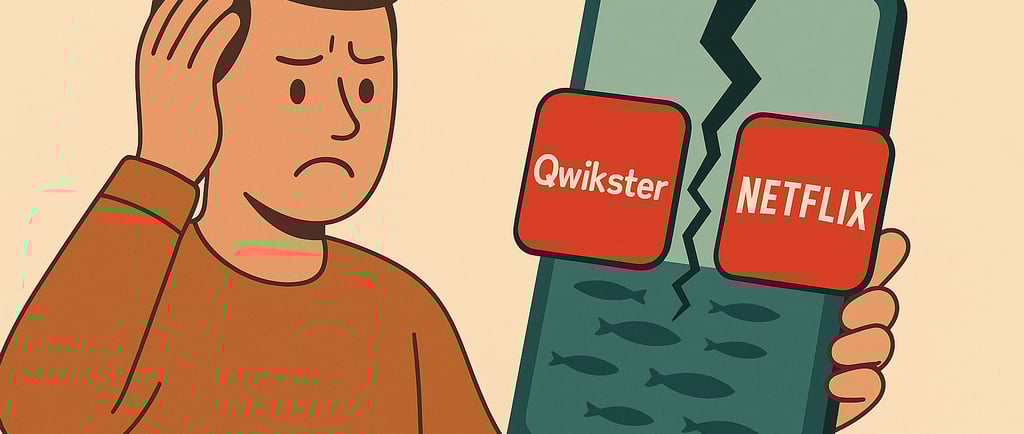
Before 2011, Netflix was simple: one service, one bill, DVDs by mail plus streaming. By 2011 it was flying—millions of subscribers, everyone loved it, stock up.
Then Reed Hastings announced a change: Netflix would become two services. DVDs would move to a new brand called Qwikster. Streaming would stay Netflix. You’d pay for each separately. Two accounts. Two websites. Higher price.
On paper, it was perfectly logical: separate the old business from the fast-growing one, make reporting cleaner, make valuation easier, focus the teams. Every slide in the strategy deck made sense.
Customers didn’t care.
They didn’t hear “strategic clarity.” They heard:
“You’re complicating something that was easy.”
“You’re charging me more for what I already have.”
“You’re making me manage two things instead of one.”
“You’re taking away convenience.”
That’s what they reacted to — the feeling of losing something they already owned. Not the long-term strategy.
They left. 800,000 people canceled in one quarter. The stock dropped 77%. The internet roasted them. SNL mocked them. Reed Hastings had to apologize on video. And very quickly, Netflix killed Qwikster and went back.
This wasn’t a case of a stupid CEO. Hastings is one of the sharpest. Analysts liked the idea. The board understood it. The logic was fine. The problem was simple: the change was designed for internal logic, not for customer emotion. Customers felt “you took something from me and made it harder.” When people feel loss, they leave — even if the strategy memo is perfect.
Contact
Your logical brain has questions. Your emotional brain wants to talk. Contanct here ..
© 2025. All rights reserved.